GRACEFUL

GRACEFUL

GRACEFUL

GRavimetry, mAgnetism and CorE FLow

Collaboration between Royal Observatory of Belgium (Véronique Dehant), CNES (Mioara Mandea) and LEGOS (Anny Cazenave)
graceful legos cnes belgium magellium climat

Mission

Detecting dynamic processes from the Earth’s core using a synergy of satellite observations

Satellites / Instruments

Satellite observations of the magnetic field (CHAMP, SWARM), gravity (GRACE, GRACE FO) and the Earth’s rotation (IERS)

U

Skills

Processing and analysis of satellite measurements

Modelling of geophysical processes from the earth’s surface to its deep interior

Multidisciplinarity – synergy

Basic research

Date

From 2020 to today

The GRACEFUL project


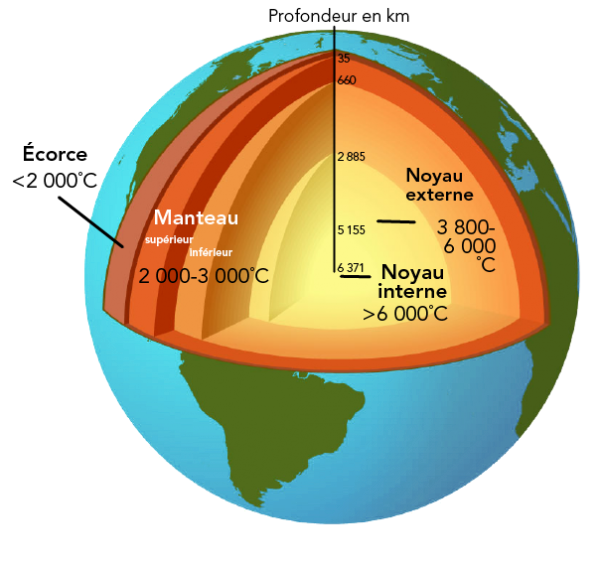
The GRACEFUL project aims to better understand the internal dynamics of our planet, in particular the Earth’s core. The Earth is made up of a solid metallic core (the inner core), a fluid metallic envelope (the outer core) within which the Earth’s magnetic field is generated by a dynamo effect, a solid envelope made up mainly of silicates (the mantle) and the Earth’s crust (the lithosphere) on which we stand. The atmosphere, ocean, hydrosphere and cryosphere are the Earth’s fluid outer shells.

As the Earth’s core is located several thousand kilometres below our feet, it is not directly accessible to us. Knowledge of its existence is based on indirect evidence, mainly from seismology, which uses the principle of wave propagation inside a body to produce an “ultrasound” of the Earth’s interior. However, seismology only allows us to obtain a fixed image of the Earth’s interior and does not allow us to study its internal dynamics. This ambitious project aims to use satellite observations of the Earth’s magnetic field, gravity and rotation to better understand the movement of metallic fluid within the outer core and its interactions with the inner core and mantle.

GRACEFUL observation terre magellium

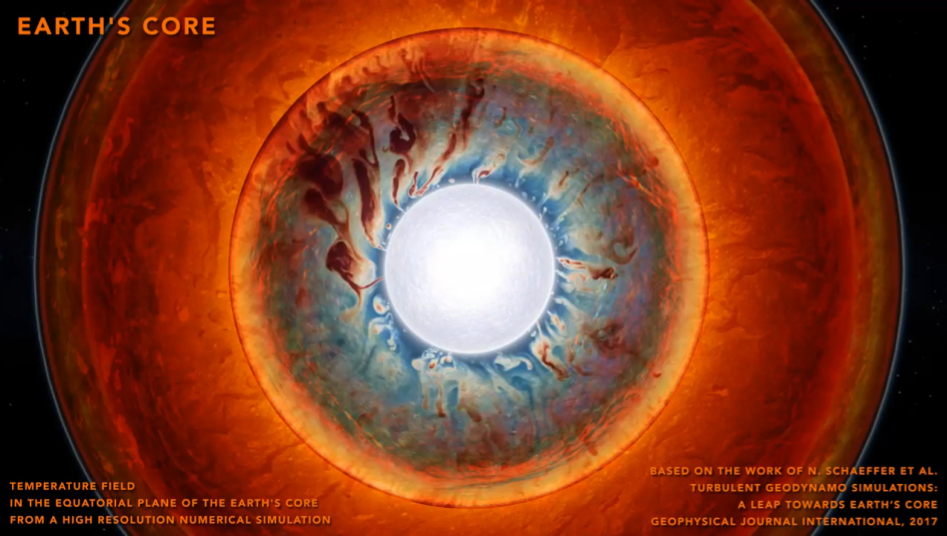
Temperature field in the equatorial plane of the Earth’s core from a high resolution numerical simulation
After Schaeffer et al., 2017, GJI

The GRACEFUL (GRavimetry, mAgnetism, rotation and CorE Flow) project is a Synergy project (number 855677) of the European Research Council (ERC) in the framework of the European Union’s Horizon 2020 research and innovation programme. It is led by Véronique Dehant (Royal Observatory of Belgium), Mioara Mandea (CNES) and Anny Cazenave (LEGOS).

Visit the official GRACEFUL project website here.

nous contacter observation terre magellium

The role of the unit in GRACEFUL


Magellium’s Earth Observation Unit is responsible for the processing and analysis of space gravity data acquired by the GRACE (Gravity Recovery And Climate Experiment) and GRACE Follow-On missions. The GRACE and GRACE-FO data are then corrected for all surface processes (ice melt, oceanic and atmospheric circulation, water cycle, earthquakes, glacial isostatic adjustment) in order to isolate variations in the gravity field from the deep Earth. These data are then compared with models of the Earth’s interior developed by our partners at the Royal Observatory of Belgium and the IsTerre Institute in Grenoble.
    GRACEFUL observation terre magellium

    Key partners

    CNES, LEGOS, Royal Observatory of Belgium

    Key words

    observation, satellite, Earth, studies, altimetry, gravimetry, Earth field, gravity, rotation, magnetism, Earth core, CNES, Belgium, LEGOS

    observation de la terre

    SCIENCE FOR EARTH CARE

    The Earth Observation Unit of Magellium  is an expert in optical space missions and geophysical and biophysical applications. The EO unit provides high level of expertise and full capacity on the whole processing chain, enabling it to respond to all projects from the greatest space orders such as ESA and CNES.

    Contact

    eo@magellium.fr

    +33 5 62 24 70 00

    1, rue Ariane
    31520 Ramonville Saint-Agne FRANCE

    More info

    www.magellium.com

    Follow us

    MoHeaCAN

    MoHeaCAN

    Moheacan

    Monitoring ocean heat content (OHC) and Earth energy imbalance (EEI) from space observations

    agence spatiale europenne esa

    Mission

    Global Ocean Heat Content (OHC) and Earth Energy Imbalance (EEI) monitoring

    Instruments

    GRACE

    U

    Skills

    Altimetry and gravity data

    Date

    From 2019 to today

    The MOHeaCAN project

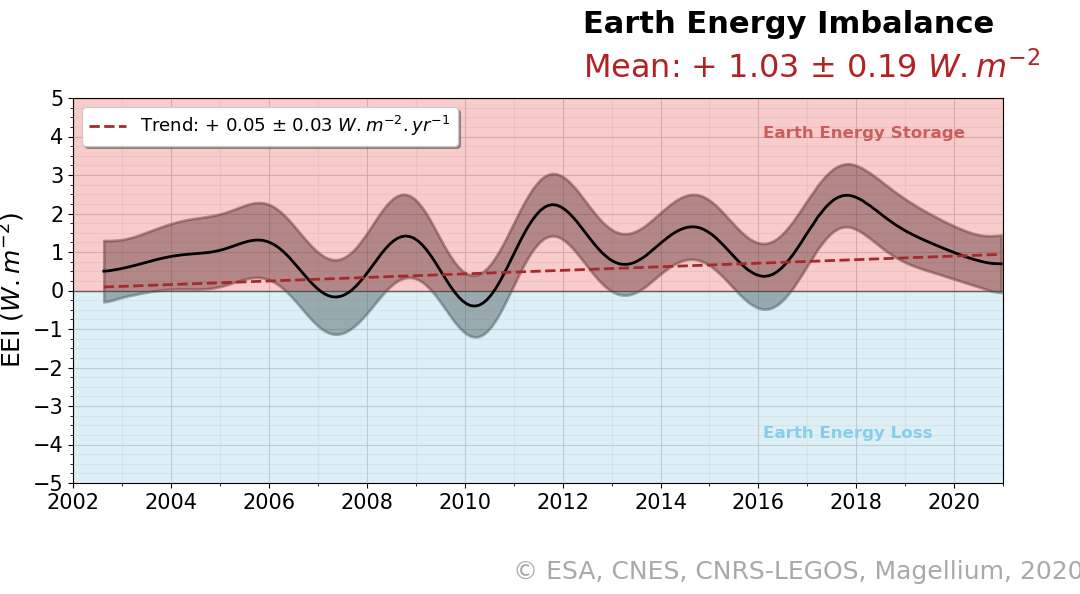
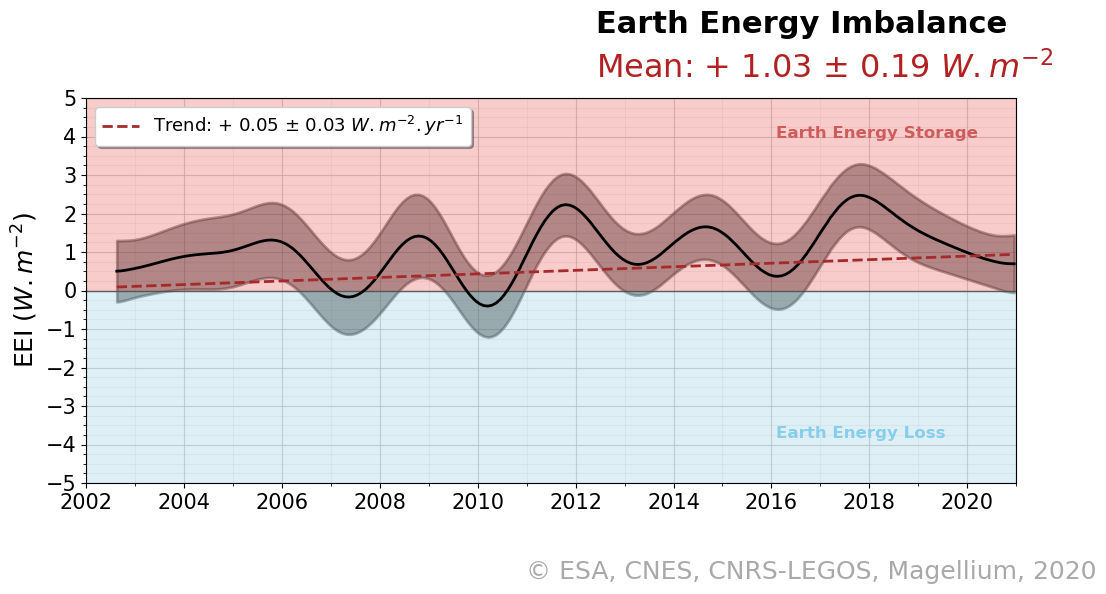
    Since the industrial era, emissions of greenhouse gases (GHGs) into the atmosphere due to human activities have reduced the amount of infrared energy that the Earth emits into space. Today, the Earth emits less energy into space than it receives from the sun. As a result, there is an Earth Energy Imbalance (EEI).

    Because of this IEE, the climate system stores energy, mainly in the form of heat. This excess energy disrupts many things, including the global hydro-energy cycle, and creates what is known as climate change. Excess energy heats the oceans, causing sea levels to rise and sea ice to melt. It melts the land ice, also causing sea level rise. It causes a rise in surface temperatures, altering the hydrological cycle and producing droughts and floods.

    Therefore, estimating and analysing the IEE is essential to understanding the Earth’s changing climate.

    nous contacter observation terre magellium

    ocean heat content magellium climate change

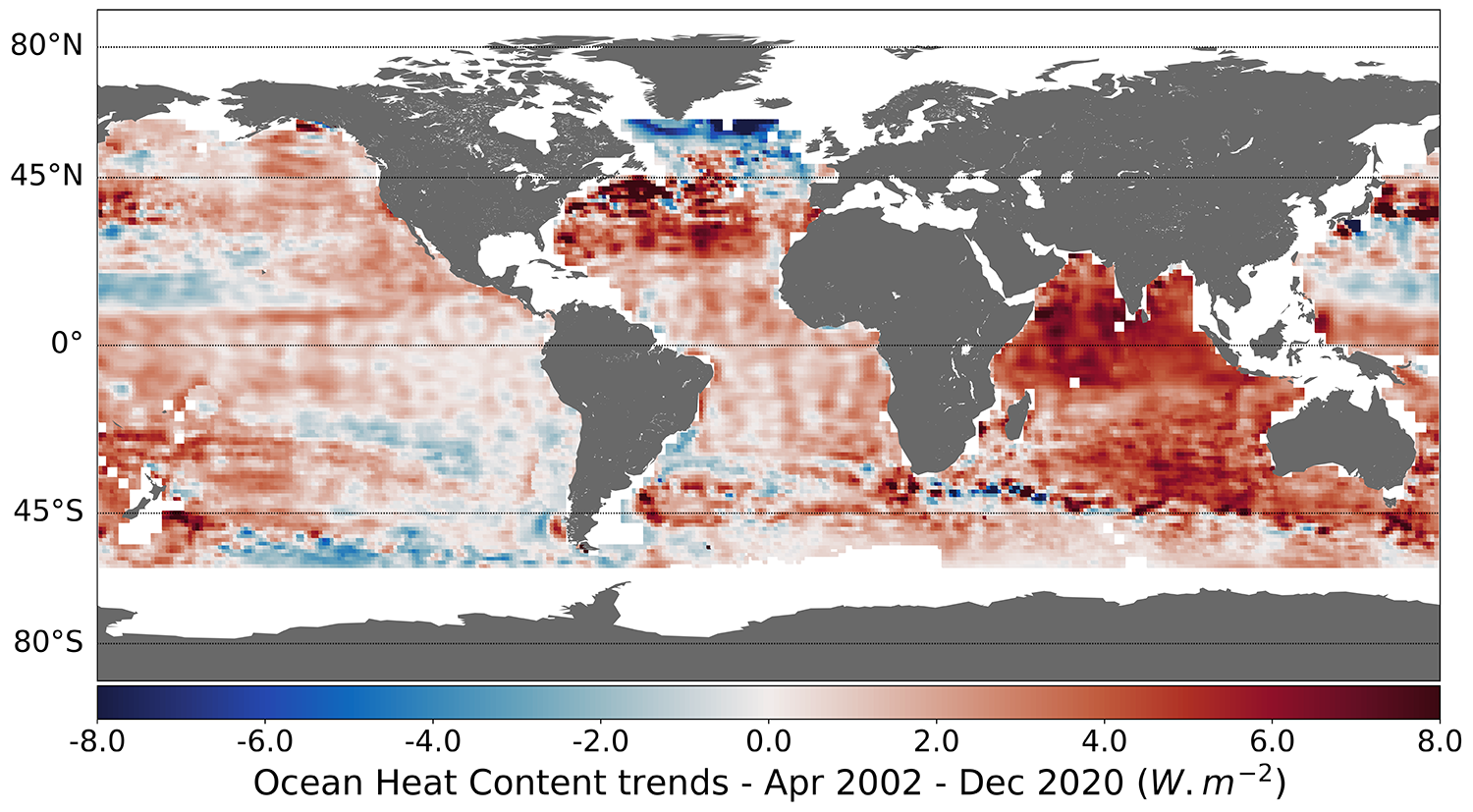
    Heat content of the oceans

    The MOHeaCAN (Monitoring Ocean Heat Content and earth energy imbalANce) project is an ESA-supported project led by the Magellium Earth Observation Unit with scientific experts from LEGOS.

    Thanks to the support of CNES, estimates of GOHC (Global Ocean Heat Content) and IEE are further improved and available on the ODATIS/AVISO portal.

    In parallel, the CNRS is funding the evaluation of the IEE against other estimates, based on space and/or in situ observations.

    Find more information on the MOHeaCAN website project.

    The objectives of MOHeaCAN

          • Calculate global ocean heat content (GOHC) and Earth energy imbalance (EEI) from space geodetic data

          • Provide the possibility to extend heat content monitoring for future applications and solutions
      climat environnement hydrologie observation terre magellium

      Key words

      ESA, Centre National Océanographique, LOPS, Mercator Ocean, Met Office, LEGOS, CNES, CNRS, Barcelona Supercomputing Center

      Key words

      observation, satellite, earth, studies, OHC, ocean heat content, EEI, earth energy imbalance, climate, altimetry, gravity, in-situ data, geodetic data

      observation de la terre

      SCIENCE FOR EARTH CARE

      The Earth Observation Unit of Magellium  is an expert in optical space missions and geophysical and biophysical applications. The EO unit provides high level of expertise and full capacity on the whole processing chain, enabling it to respond to all projects from the greatest space orders such as ESA and CNES.
      Contact

      eo@magellium.fr

      +33 5 62 24 70 00

      1, rue Ariane
      31520 Ramonville Saint-Agne FRANCE

      More info

      www.magellium.com

      Follow us

      Copernicus HR-S&I

      Copernicus HR-S&I

      Copernicus HR-S&I

      Copernicus High Resolution Snow & Ice

      copernicus magellium
      eea agence europeenne environnement magellium copernicus

      Mission

      Implementation and operation of a near real-time processing chain for snow and ice monitoring over Europe

      Satellites

      High resolution Sentinel-1 and Sentinel-2 data

      U

      Skills

      Cloud computing, operations, automation, algorithms, project management

      Date

      From 2019 to today

      Copernicus HR-S&I, the product


      Copernicus is a European programme aimed to collect, process and update data on the condition of the Earth. The data collected concerns the environment, security, the maritime domain, disaster monitoring, agriculture, etc. These data are made available for autonomous European monitoring at different scales (local, regional, global). These data also contribute to monitoring and dealing with the effects of climate change.

      Since 2020, the Copernicus Land Monitoring Service (CLMS) has been publishing its high-resolution snow and ice monitoring products (HR-S&I) in near-real time. Indeed, the presence of snow and ice on lakes and rivers is a relevant element to monitor because of their strong influence on the water cycle and surface energy fluxes. Rapid declines in the extent and duration of snow cover and increases in the number of extreme events are distinct indicators of global climate change. Therefore, the study of these parameters is crucial for a wide range of applications, both for the private sector, local authorities and scientific institutions.

      snow and ice pyrenees copernicus climat environnement magellium

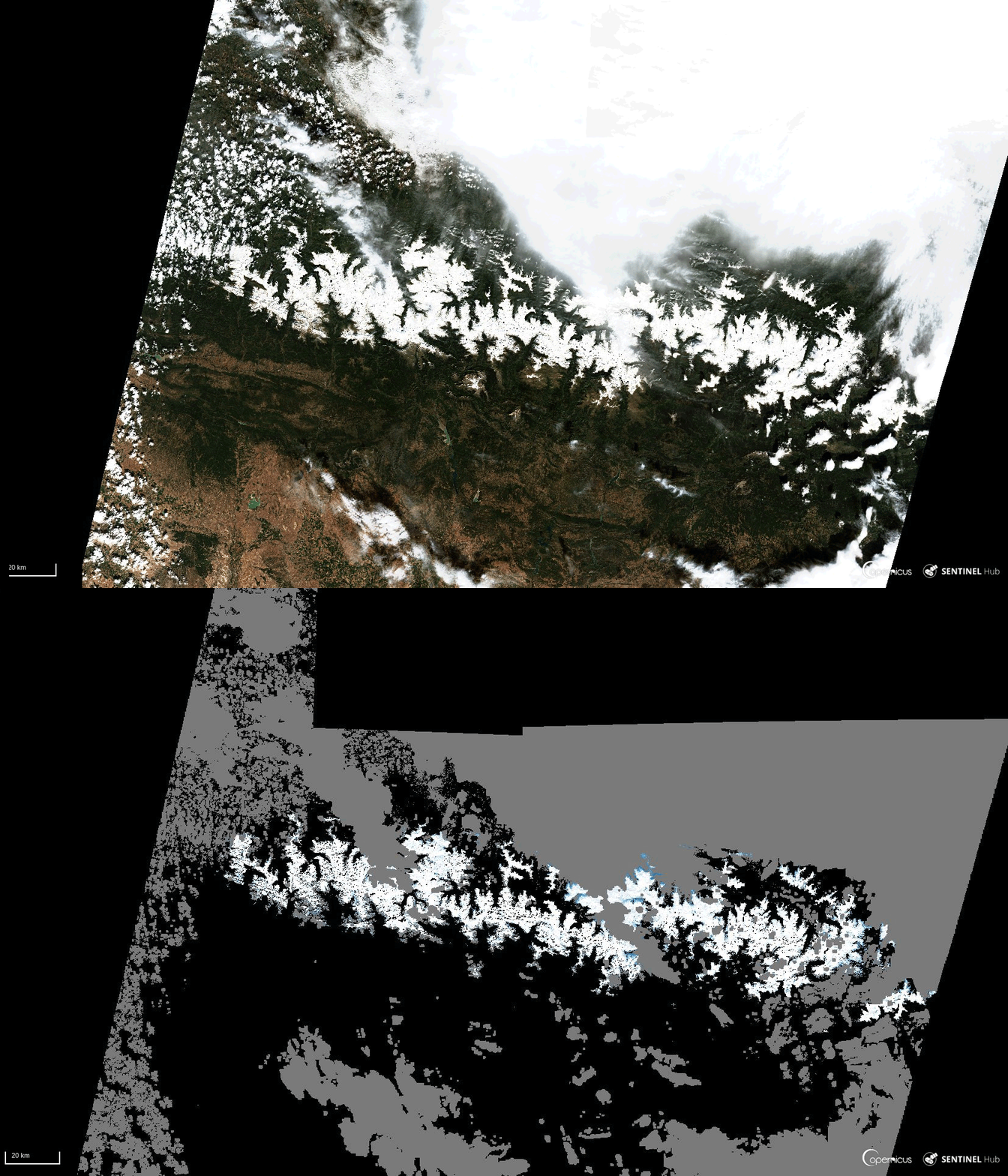
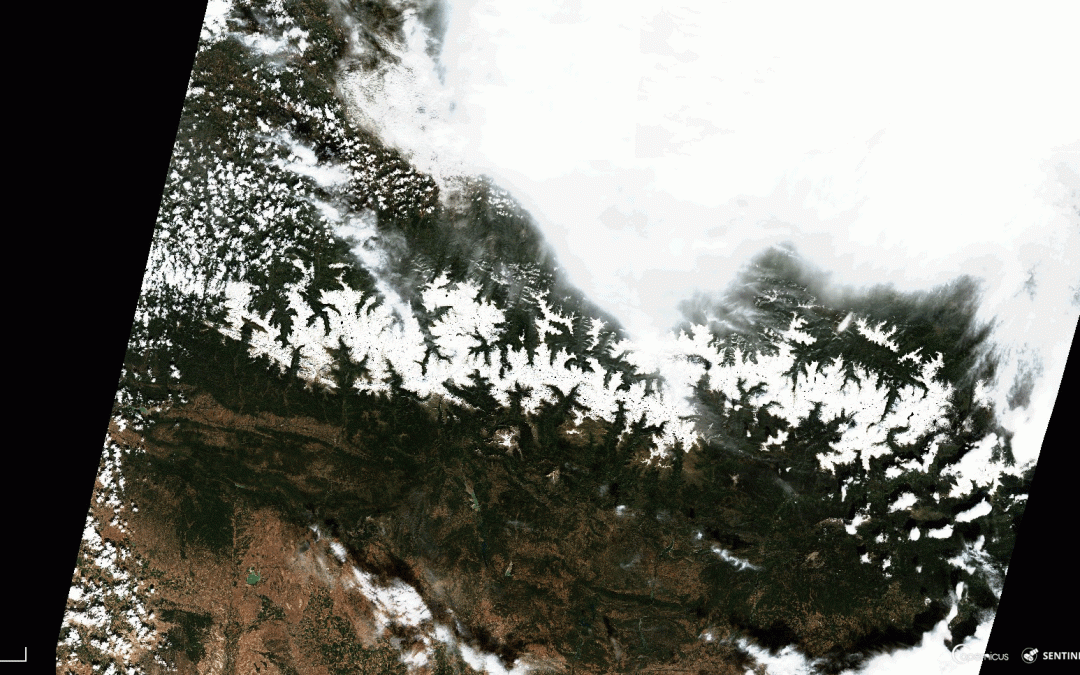
      Snow cover in the Pyrenees on 27/09/2020 – fractional snow product (FSC) generated by the Earth Observation Unit in Magellium
      © European Union, Copernicus Land Monitoring Service 2021, European Environment Agency (EEA)

      In 2019, Magellium was awarded a contract by the European Environment Agency (EEA) to develop, operate and promote a new Copernicus Core Service. This service provides high-resolution monitoring of snow and ice in Europe and Turkey. From then on, the EO unit is in charge of the implementation of sustainable and operational snow and ice monitoring products.

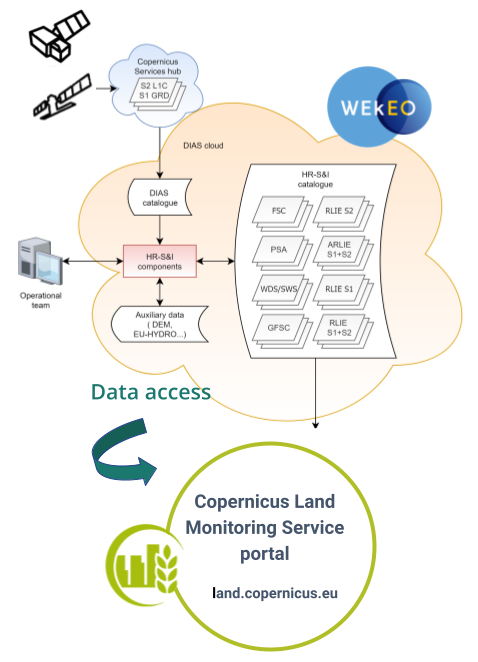
      Operations started in July 2020 on a 24-hour basis. A state-of-the-art automatic processing solution has been deployed on a European cloud (DIAS). This provides scalability capabilities. Production is triggered whenever Sentinel-1 and Sentinel-2 acquisitions are available and the resulting products are made available to users on average within 6 hours after the measurement. Campaigns to process the huge amount of data already acquired by the constellations have been carried out. More than one million products have been generated and are currently hosted on DIAS.

      HR-S&I products in a few words :

          • 550 Sentinel-2 products and 230 Sentinel-1 products
          • 2700 HR-S&I products processed each day
          • 5 snow products, 4 ice products
          • Sentinel-2 and Sentinel-1 archives already processed (since September 2016)
          • Various applications: hydrology, hydroelectricity, meteorology, security, research and development, etc.

      The HR-S&I products can be viewed and downloaded free of charge on the DIAS WEkEO portal: https://www.wekeo.eu/.

      Find more information on the Copernicus website.
      Find more details on HR-S&I products on the specific Copernicus website.

      nous contacter observation terre magellium

      The objectives


        • Set up and maintain an operational system on a European cloud
        • Optimise the processing of hundreds of satellite data items each day to deliver snow and ice products to users as quickly as possible
        • Support the European Environment Agency in sustainability and product promotion
        copernicus land snow ice magellium

        Key partners

        Astri Polska, CESBIO, Finnish Meteorological Institute (FMI), ENVEO

        Key words

        observation, satellite, Earth, climate change, Copernicus services, snow, ice, lakes and rivers, Europe, Sentinel

        observation de la terre

        SCIENCE FOR EARTH CARE

        The Earth Observation Unit of Magellium  is an expert in optical space missions and geophysical and biophysical applications. The EO unit provides high level of expertise and full capacity on the whole processing chain, enabling it to respond to all projects from the greatest space orders such as ESA and CNES.
        Contact

        eo@magellium.fr

        +33 5 62 24 70 00

        1, rue Ariane
        31520 Ramonville Saint-Agne FRANCE

        More info

        www.magellium.com

        Follow us

        ASELSU

        ASELSU

        ASELSU

        Analysis of the uncertainty of the stability of the altimeter measurement of sea level rise (ASELSU)

        agence spatiale europenne esa

        Mission

        Determine whether instrumental improvements are needed for future altimetry missions to meet the new uncertainty requirements for sea level rise stability

        Satellites

        Sentinel-6 Michael Freilich, Sentinel-6 Next generation

        U

        Skills

        Altimetry processing chain, uncertainty propagation, scientific expertise on sea level variation

        Date

        From 2021 to today

        ASELSU project


        ASELSU studies the possibility for the future Sentinel-6 Next Generation altimetry mission to meet the new requirements on sea level rise stability uncertainty. This project, funded by ESA, is led by Magellium with 4 other partners: CLS, LEGOS, NPL and UoR.

        aselsu observation magellium

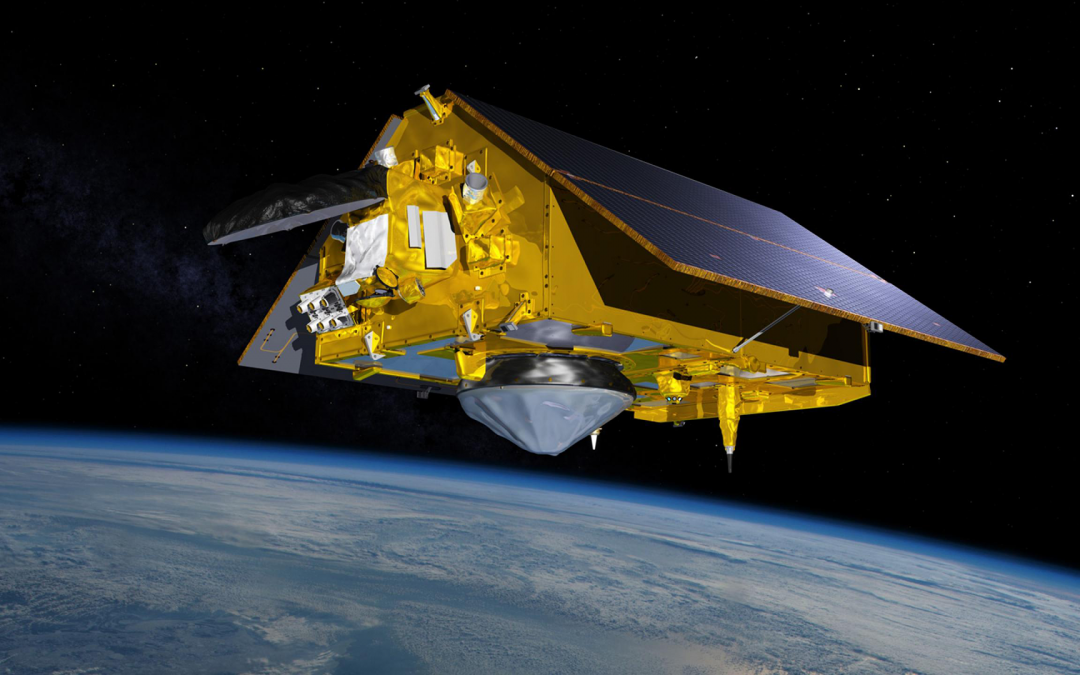
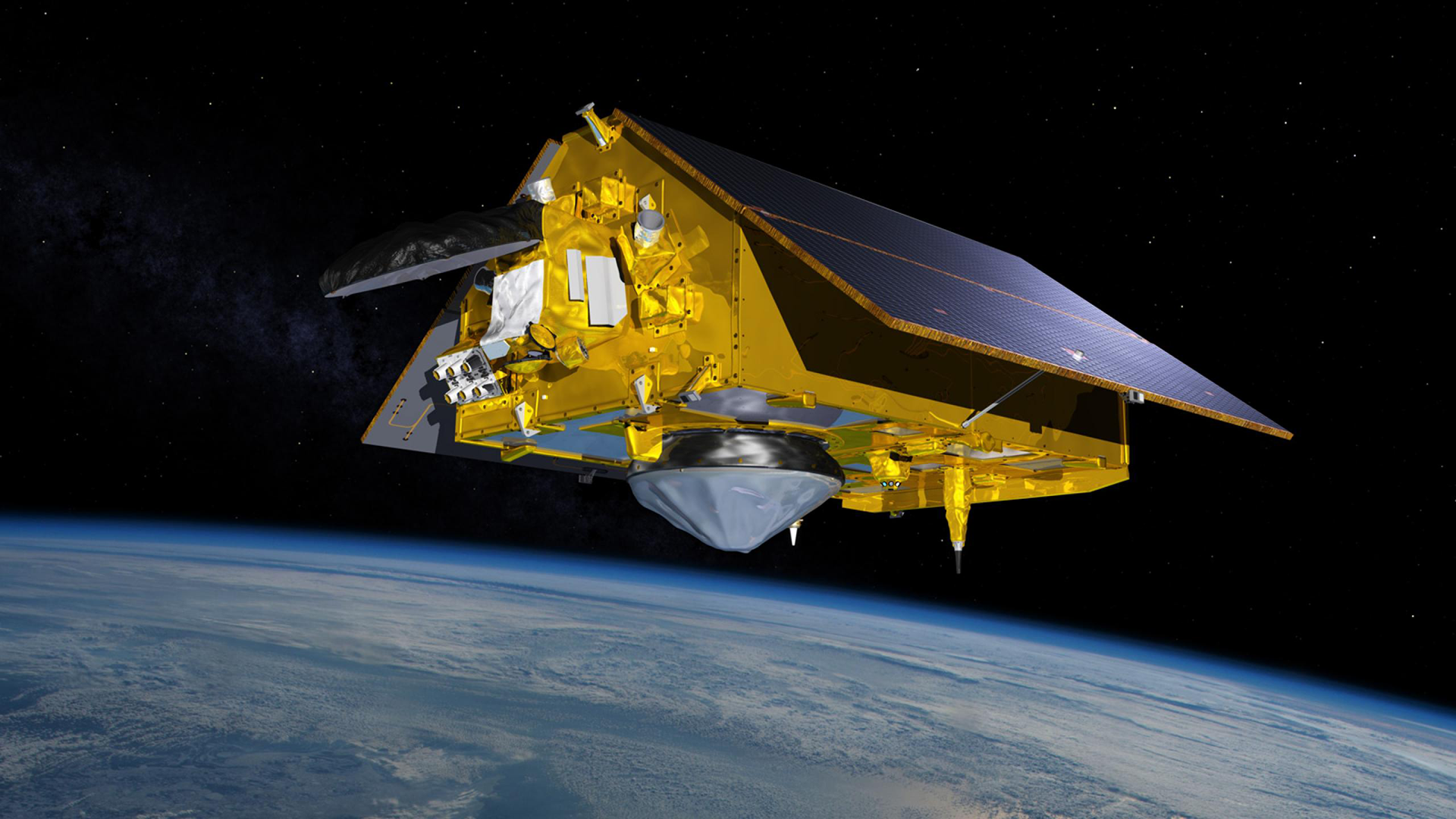
        Illustration of Sentinel-6 Michael Freilich satellite
        © NASA

        The Earth Observation Unit is in charge of the project management. It also provides scientific expertise on sea level and associated uncertainties.

        Find out more about the project on the Black Sea Bluc Company website.nous contacter observation terre magellium

        The objectives of ASELSU


            • Justify the new uncertainty requirements of sea level rise stability for climate change studies
            • Establish the end-to-end uncertainty budget of altimetry measurement at sea level rise following a metrological approach
            • Provide tools to determine whether instrumental improvements to future altimetry missions would be useful and necessary to meet the requirements

            The partners

            Laboratory for Geophysical and Oceanographic Space Studies (LEGOS), Collection Localisation Satellites (CLS), British National Physical Laboratory (NPL), University of Reading (UoR)

            Key words

            observation, satellite, earth, studies, altimetry, uncertainties, metrology, sea level

            observation de la terre

            SCIENCE FOR EARTH CARE

            The Earth Observation Unit of Magellium  is an expert in optical space missions and geophysical and biophysical applications. The EO unit provides high level of expertise and full capacity on the whole processing chain, enabling it to respond to all projects from the greatest space orders such as ESA and CNES.
            Contact

            eo@magellium.fr

            +33 5 62 24 70 00

            1, rue Ariane
            31520 Ramonville Saint-Agne FRANCE

            More info

            www.magellium.com

            Follow us

            MoHeaCAN

            MOHeaCAN

            Moheacan

            Suivi du contenu thermique des océans (OHC) et du déséquilibre énergétique de la Terre (EEI) à partir d’observations spatiales

            agence spatiale europenne esa

            Mission

            Suivi du contenu thermique global de l’océan (OHC) et du déséquilibre énergétique de la Terre (EEI)

            Instruments

            GRACE, missions altimétriques


            U

            Compétences

            Traitement des données géodésiques (altimétrie et gravimétrie)

            Date

            De 2019 à aujourd’hui

            Le projet MOHeaCAN

            Depuis l’ère industrielle, les émissions de gaz à effet de serre (GES) dans l’atmosphère, dues aux activités humaines, ont réduit la quantité d’énergie infrarouge que la Terre émet dans l’espace. Aujourd’hui, la Terre émet moins d’énergie dans l’espace qu’elle n’en reçoit du soleil. Par conséquent, il existe un déséquilibre énergétique terrestre (EEI).

            A cause de cet EEI, le système climatique stocke de l’énergie, principalement sous forme de chaleur. Cet excès d’énergie perturbe le cycle de l’eau et de l’énergie du système Terre, et crée ce que l’on appelle le changement climatique. En effet, cet excès d’énergie chauffe les océans, déclenchant une élévation du niveau de la mer et la fonte des glaces de mer. Il fait aussi fondre la glace terrestre, générant également une élévation du niveau de la mer. Il provoque une élévation des températures de surface, altérant le cycle hydrologique et produisant ainsi sécheresses et inondations.

            Dès lors, il est indispensable d’estimer et d’analyser l’EEI pour comprendre le changement climatique de la Terre.

            nous contacter observation terre magellium

            ocean heat content magellium climate change

            Contenu en chaleur des océans

            ‎Le projet MOHeaCAN (Monitoring Ocean Heat Content and earth energy imbalANce) est un projet soutenu par l’ESA et dirigé par l’Unité Observation de la Terre Magellium avec des experts scientifiques de LEGOS.

            Grâce au soutien du CNES, les estimations du GOHC (contenu thermique global des océans) et de l’EEI continuent d’être améliorées et sont disponibles sur le portail ODATIS/AVISO.

            En parallèle, le CNRS finance l’évaluation de l’EEI par rapport à d’autres estimations , basées sur des observations spatiales et/ou in situ.

            Retrouvez plus d’information sur le site dédié au projet MOHeaCAN.

            Les objectifs de MOHeaCAN

              • Calculer le contenu thermique global des océans (GOHC) et le déséquilibre énergétique de la Terre (EEI) à partir de données géodésiques spatiales
              • Evaluer les produits GOHC et EEI par comparaison à d’autres produits issus de  mesure in-situ et spatiale (CERES)
              climat environnement hydrologie observation terre magellium

              Les partenaires principaux

              LEGOS, ESA, CNES, CNRS 

              Mots-clés

              observation, satellite, terre, études, OHC, ocean heat content, contenu en chaleur des océans, EEI, earth energy imbalance, déséquilibre énergétique de la terre, climat, altimétrie, gravimétrie, données in-situ, données géodésiques

              observation de la terre

              SCIENCE FOR EARTH CARE

              L'unité Observation de la Terre de Magellium est experte en missions spatiales optiques et en applications géophysiques et biophysiques. L'unité offre un haut niveau d'expertise et une complète maîtrise sur l'ensemble de la chaîne de traitement, lui permettant de répondre à tous les projets des plus grandes commandes spatiales telles que l'ESA et le CNES.

              Contact

              eo@magellium.fr

              +33 5 62 24 70 00

              1, rue Ariane
              31520 Ramonville Saint-Agne FRANCE

              Plus d'infos

              www.magellium.com

              Suivez-nous